

Exploring the diversity of contemporary Argentina at Geisenheim University
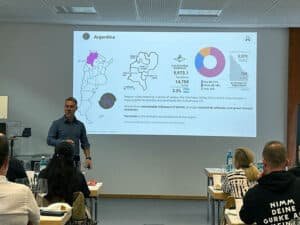
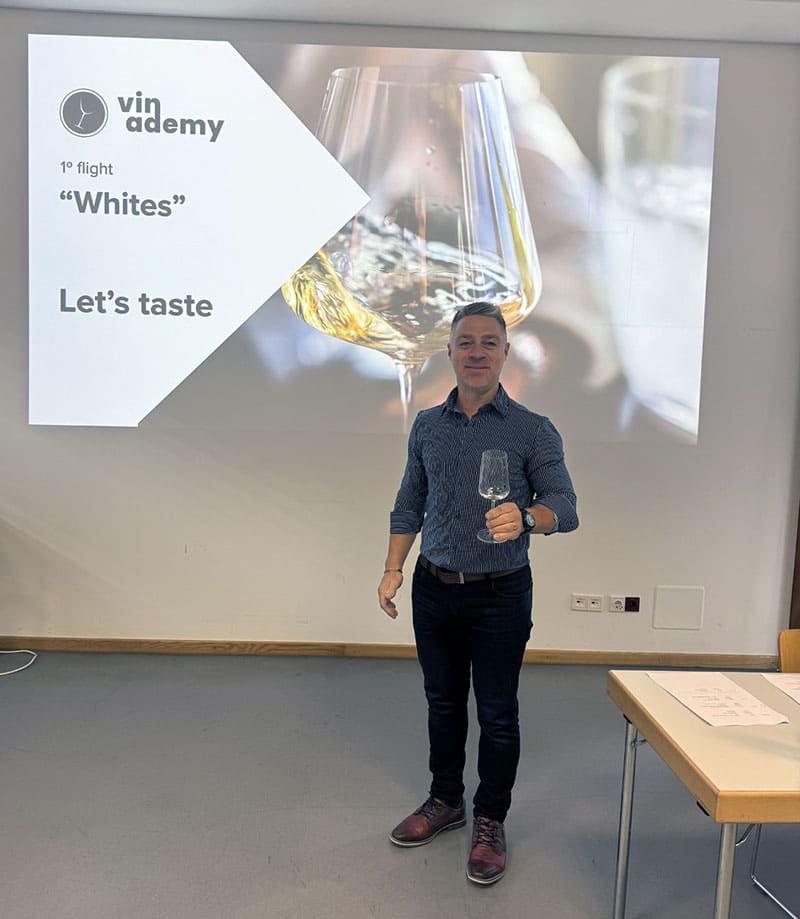
The Argentina Wine World Tour arrived in Germany with a new masterclass at Hochschule Geisenheim University, as part of the Weinakademie Summer School.
Following previous editions of the tour, this was a particularly meaningful stop. Geisenheim is one of Europe’s recognised centres for viticulture, oenology and wine research, while Weinakademie brings together an international community of highly qualified wine professionals, educators and advanced students.

It was therefore the perfect environment for the purpose of the Argentina Wine World Tour: to go beyond the familiar image of Argentina and explore the diversity, evolution and technical foundations of its wines.
Argentina beyond Malbec
Argentina is still strongly associated internationally with Mendoza, altitude and Malbec. All three remain fundamental, but contemporary Argentina is considerably more diverse.
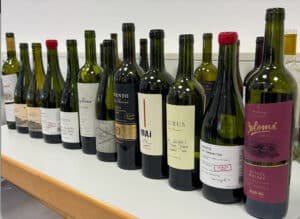
During the masterclass, we explored the country through 13 wines, travelling from the extreme altitude of the Upper Calchaquí Valley in Salta to the cold, windy vineyards of Chubut in Patagonia, with Mendoza and its increasingly precise understanding of terroir at the centre of the discussion.
Rather than simply tasting regions and varieties, the objective was to understand the factors behind the wines: altitude, latitude, solar radiation, temperature, water availability, alluvial geology, soil composition, vine physiology and winemaking decisions.
In other words: not only what Argentina tastes like, but why.
From Torrontés and Criolla to the extremes of Patagonia
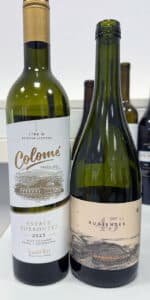
We started in Salta with Colomé Estate Torrontés, using one of Argentina’s emblematic white varieties to explore high-altitude viticulture and aromatic expression.
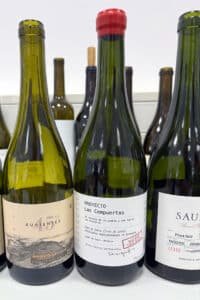
From there, we travelled virtually more than 2,000 kilometres south to Otronia in Chubut, tasting both its 45° Rugientes white blend and Pinot Noir. The contrast provided a powerful illustration of Argentina’s geographical extremes: high altitude in the north versus high latitude in the south.
Pinot Noir from Otronia and Familia Schroeder also allowed us to examine Patagonia as a cool-climate region and the influence of wind, temperature and latitude on ripening and wine style.
Another important part of the discussion was Argentina’s own viticultural heritage.
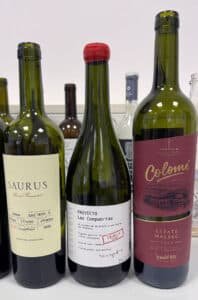
Durigutti’s Proyecto Las Compuertas Criolla Chica provided the opportunity to explore the renewed interest in Criolla varieties, old vineyards and genetic diversity, an increasingly relevant part of the country’s contemporary wine identity.
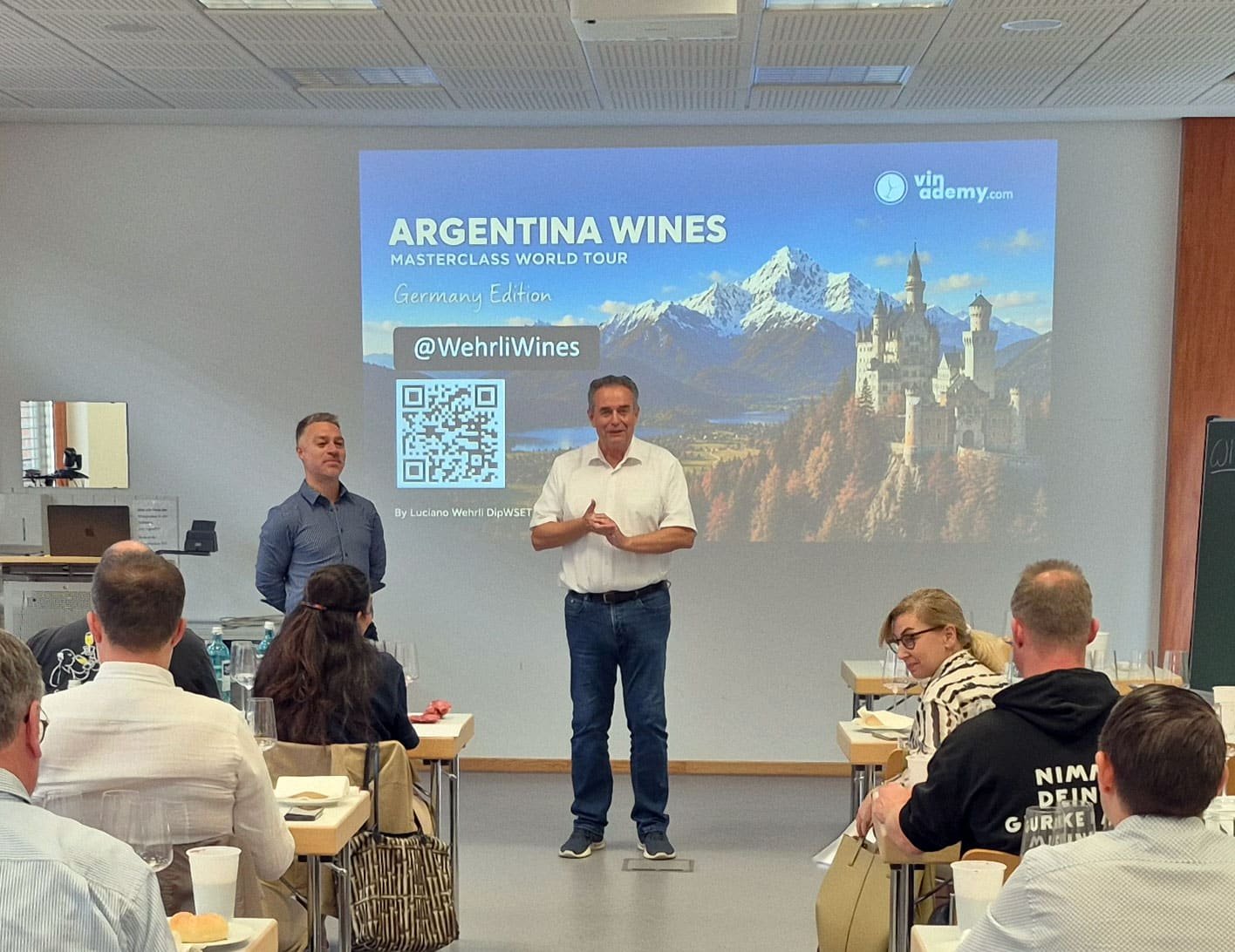
Eng. Luciano Wehrli – Weinakademiker – DipWSET
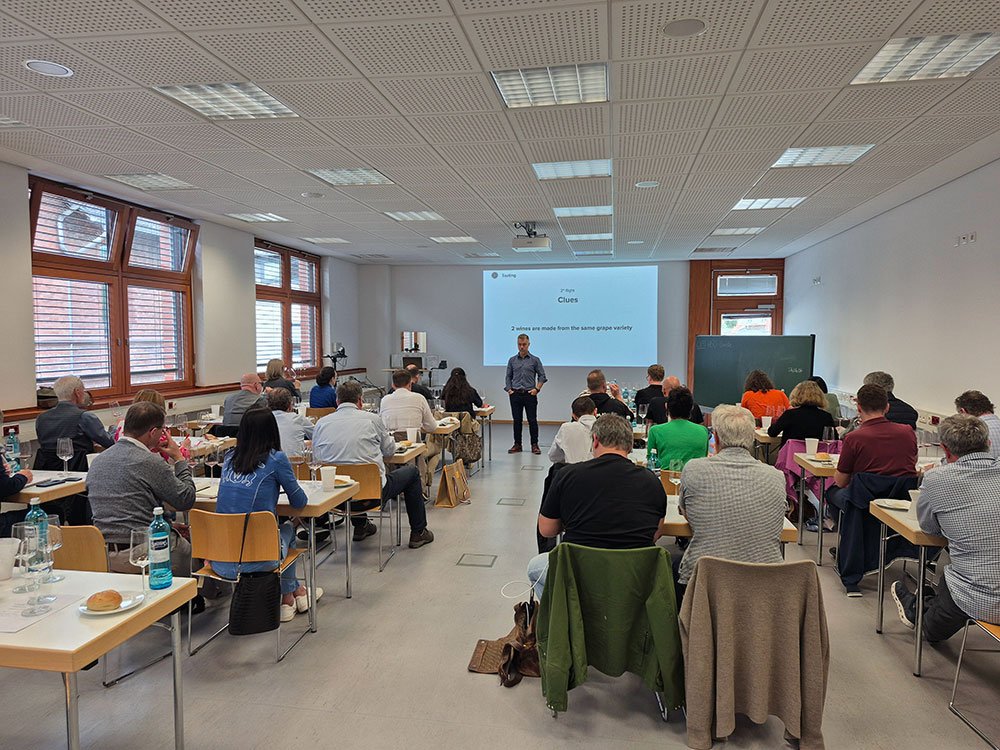
Seven Malbecs, seven interpretations
Malbec remained at the heart of the masterclass, but deliberately not as a single Argentine style.
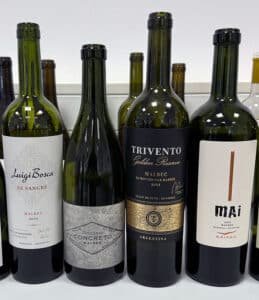
We tasted seven different interpretations from Luigi Bosca, Zuccardi, Trivento, Kaiken, Familia Schroeder, Durigutti and Colomé, spanning the Uco Valley, Luján de Cuyo, Patagonia and the Upper Calchaquí Valley.
The comparison demonstrated just how misleading it has become to talk about “Argentine Malbec” as if it represented one homogeneous expression.
Altitude, latitude, soil, vine age, extraction, fermentation vessels and maturation choices all produced markedly different interpretations.
This is perhaps one of the most important developments in Argentina today: the conversation is gradually moving from Malbec as a national style towards
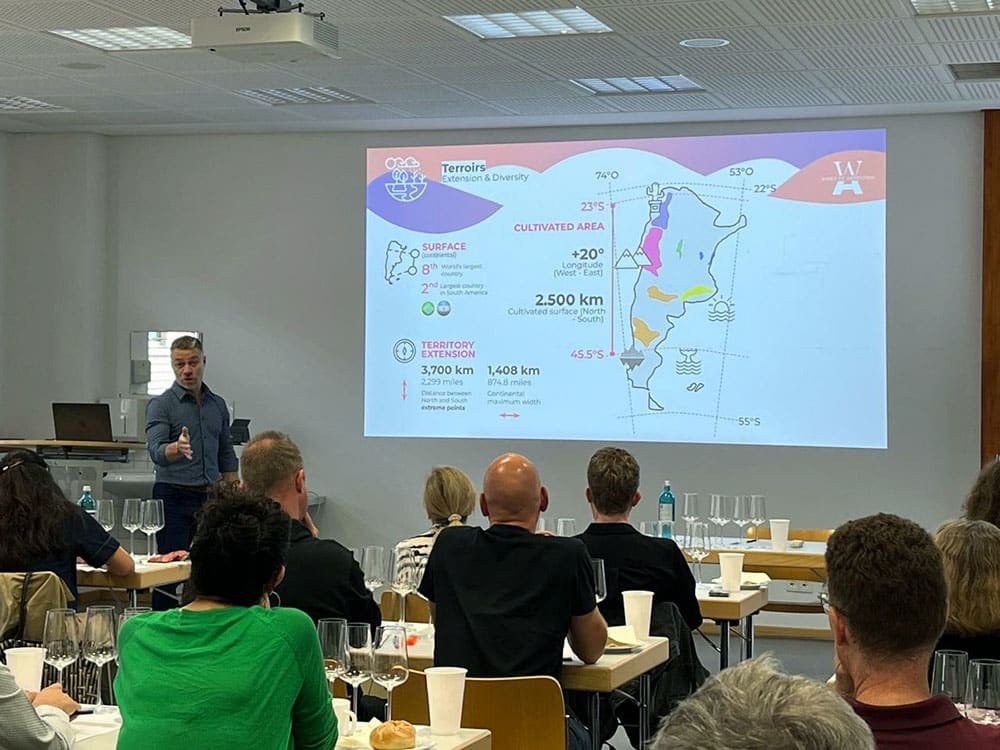
Understanding Argentina through the glass
The masterclass ultimately used wine as a way of understanding a much larger viticultural system.
How does altitude affect vine physiology and ripening? What happens when vineyards move towards increasingly extreme latitudes? How important are Argentina’s alluvial soils and calcium carbonate? What can old Criolla varieties contribute to the future? And how are producers changing their approach to extraction, oak and freshness?
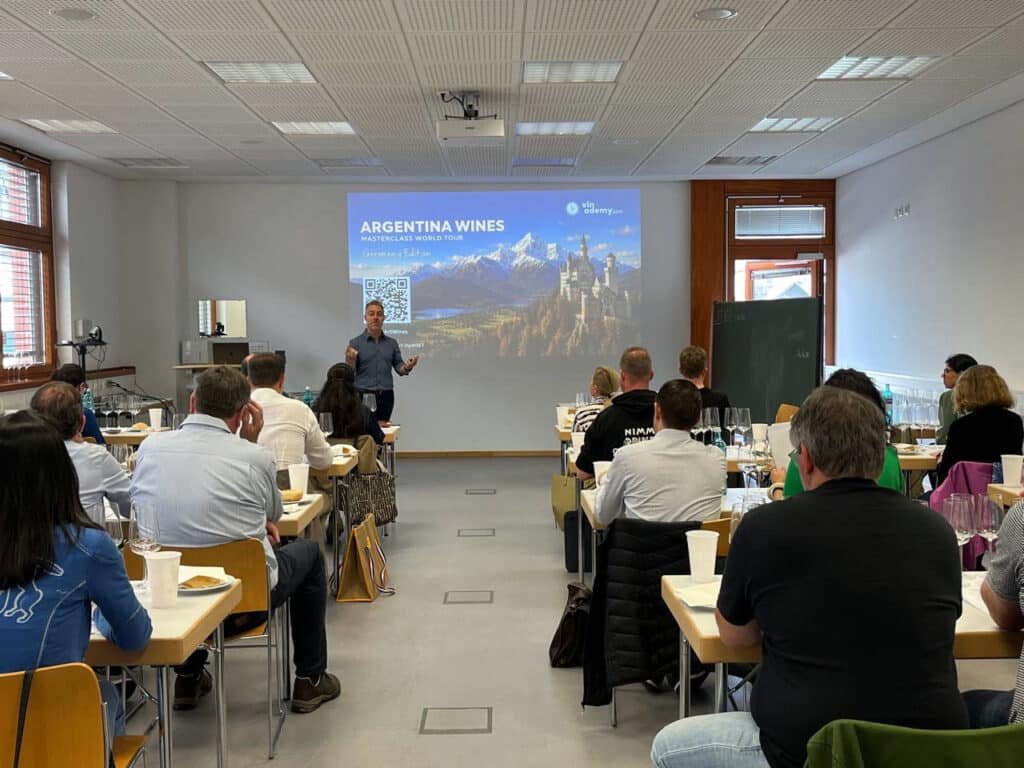
Wine Experimentation
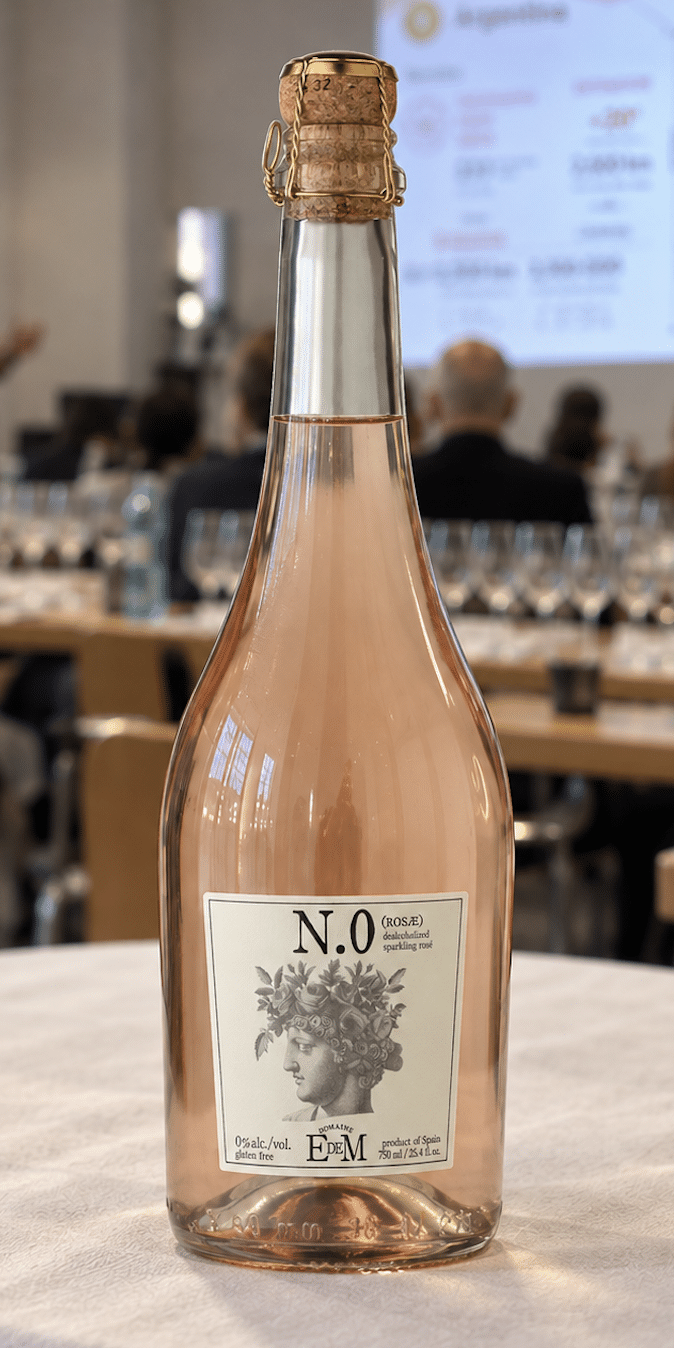
We concluded with another very contemporary question through Domaine EdeM N.0 ROSÆ, an alcohol-free wine that opened the discussion around the rapidly developing no/low category and the technical challenge of maintaining aroma, texture and balance when ethanol is removed.
These are precisely the conversations I want the Argentina Wine World Tour to generate.
Presenting them at Geisenheim through the Weinakademie Summer School, and discussing them with knowledgeable professionals who themselves influence how wine is selected, communicated and taught, made the Germany edition particularly rewarding. Argentina today is increasingly difficult to explain through a single variety, region or style.
Institutional support
This project is supported by Wines of Argentina and in collaboration with leading wineries from the country, who provide the wines and help promote the initiative. Their participation is key to ensuring both the representativeness of styles and the strength of the message.
A promising future
It was an opportunity to test the narrative of Argentine wines before a demanding audience and, at the same time, a step forward in building bridges between Argentine viticulture and the global wine community.
The next stops on the tour is Finland, and beyond.
Luciano Wehrli – DipWSET – Weinakademiker
Instagram: @Wehrliwines
